
How Our Eyes Work
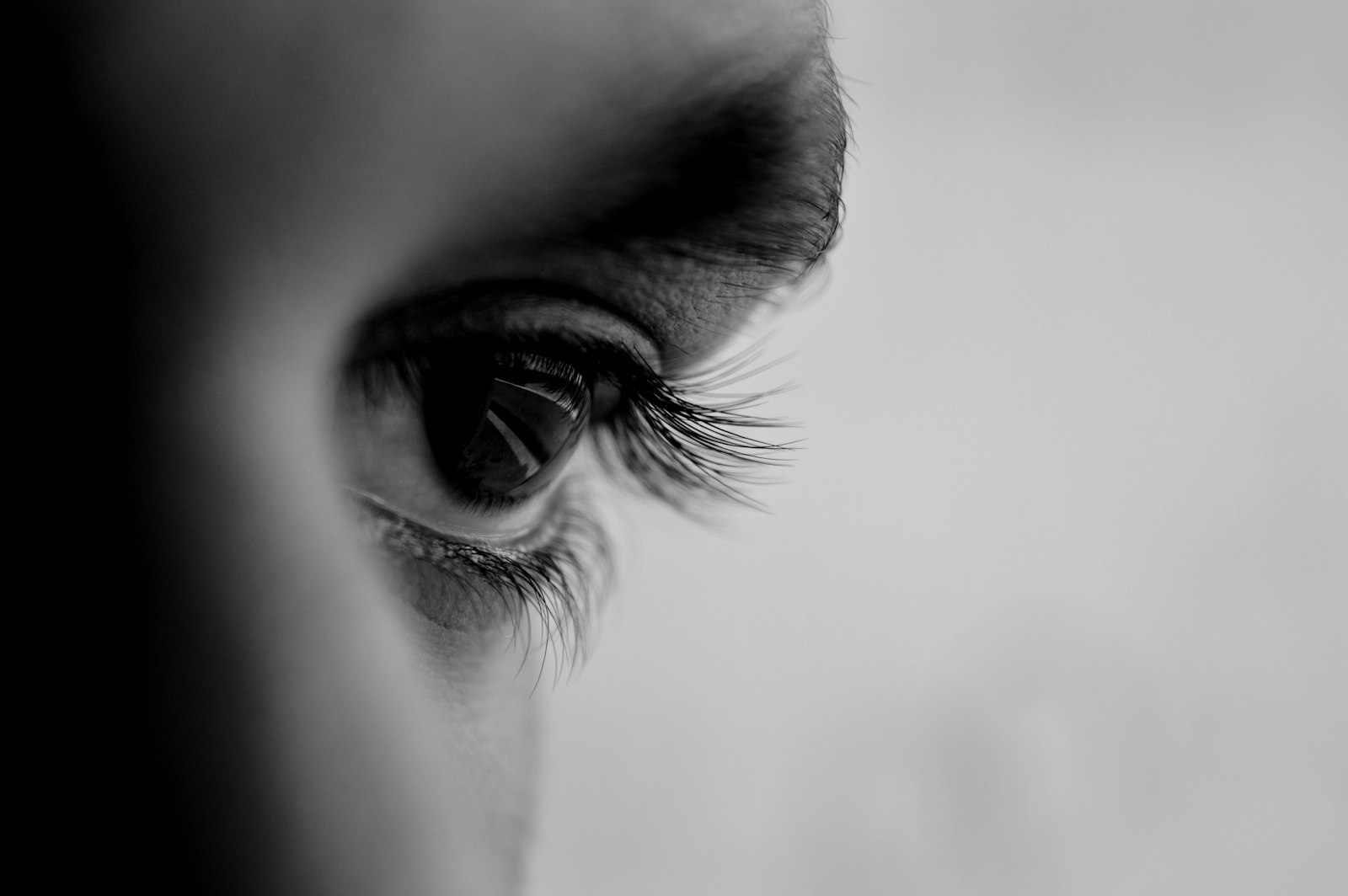
There is so much more going on with our eyes than we often realize.
The eye is one of the most complicated organs in the body, with so many different parts working together to take the patterns of light bouncing off objects around us and converting them into the continuous stream of images that gets processed by our brains. So let’s take a closer look at how these amazing organs work!
Creating The Image
Here are several parts of the eye that assist in the process of getting images to the brain.
- The cornea is the clear layer on the front of the eye that allows light to enter.
- The colored part of our eyes is called the iris, a circular muscle that adjusts the amount of light that will reach the back of the eye.
- The lens of the eye changes shape to focus the images we see, unlike a camera lens, which must physically move in order to focus.
- The retina is the region of the back of the eye where all the light-sensitive cells are located.
- The optic nerve sends electrical messages from the retina to the brain so we can process the images.
The Vision Center Of The Brain
All the parts of the eye create signals that are sent through the optic nerve to the occipital lobe. Located in the lower back section of the brain, the occipital lobe continuously processes visual information coming from the optic nerve. Since we see many colors, images, lights, people, etc. at all times during the day, our brains have to work at incredible speeds so that we can react quickly to what we see.
The Eye’s Maintenance Crew
In order for all the parts of the eye to function well enough to send images to the occipital lobe, we still need a few more pieces.
- With the help of eyelashes and eyebrows, our eyelids protect our eyes. When we blink, our eyelids keep our eyes moist, they reflexively close to stop debris from getting in, and they block out the light when we need to get some shuteye!
- Tear glands, located in the upper eyelids, generate the protective tear film that keeps contaminants and debris from scratching our corneas or causing infection. Our eyes are constantly making tears to keep the surface lubricated and to get rid of debris.
- On the lower eyelids, tear ducts catch the used fluid in the tear film and drain it away along with any debris!
Let’s Make Sure Everything’s Working!
When all these different parts are working together, we are able to see clearly, but if any one of them stops working, vision problems can result. If you ever feel like something may be wrong with your vision, or if you’re due for your regular eye exam, schedule an appointment with your local Vision Source® member optometrist and they’ll make sure everything’s working!
We can’t wait to see you!
Find a Vision Source® practice near you using our search tool.
Top image used under CC0 Public Domain license. Image cropped and modified from original.
The content on this blog is not intended to be a substitute for professional medical advice, diagnosis, or treatment. Always seek the advice of qualified health providers with questions you may have regarding medical conditions.
Quick Links
All Eye
Care Services
Keep
In Touch
Contact Us
Find a Locations
Near You


Babylon
Monday Closed
Tuesday 9:30am - 5:30pm
Wednesday 9:30am - 5:30pm
Thursday 9:30am - 6:30pm
Friday 9:00am - 5:00pm
Saturday 8:00am - 2:00pm
Sunday Closed
Tuesday 9:30am - 5:30pm
Wednesday 9:30am - 5:30pm
Thursday 9:30am - 6:30pm
Friday 9:00am - 5:00pm
Saturday 8:00am - 2:00pm
Sunday Closed
Huntington
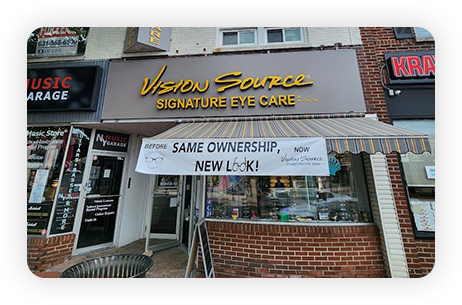
Monday 9:00am - 6:00pm
Tuesday 8:00am - 4:00pm
Wednesday 9:00am - 5:00pm
Thursday 9:00am - 5:00pm
Friday 8:00am - 2:00pm
Saturday 8:00am - 2:00pm
Sunday Closed
Tuesday 8:00am - 4:00pm
Wednesday 9:00am - 5:00pm
Thursday 9:00am - 5:00pm
Friday 8:00am - 2:00pm
Saturday 8:00am - 2:00pm
Sunday Closed
Valley Stream
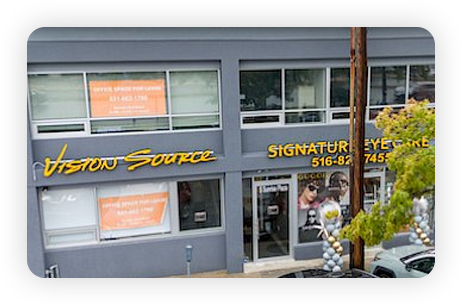
Monday 11:00am - 7:00pm
Tuesday 9:00am - 5:30pm
Wednesday 9:00am - 5:30pm
Thursday 10:00am - 6:30pm
Friday 9:00am - 5:00pm
Saturday 8:00am - 2:00pm
Sunday Closed
Tuesday 9:00am - 5:30pm
Wednesday 9:00am - 5:30pm
Thursday 10:00am - 6:30pm
Friday 9:00am - 5:00pm
Saturday 8:00am - 2:00pm
Sunday Closed
© 2026 Vision Source Signature Eye Care. All Rights Reserved. Accessibility Statement - Privacy Policy
