
Meibomian Gland Dysfunction (MGD) Treatment in Long Island: How Thermal Pulsation Restores Natural Tears
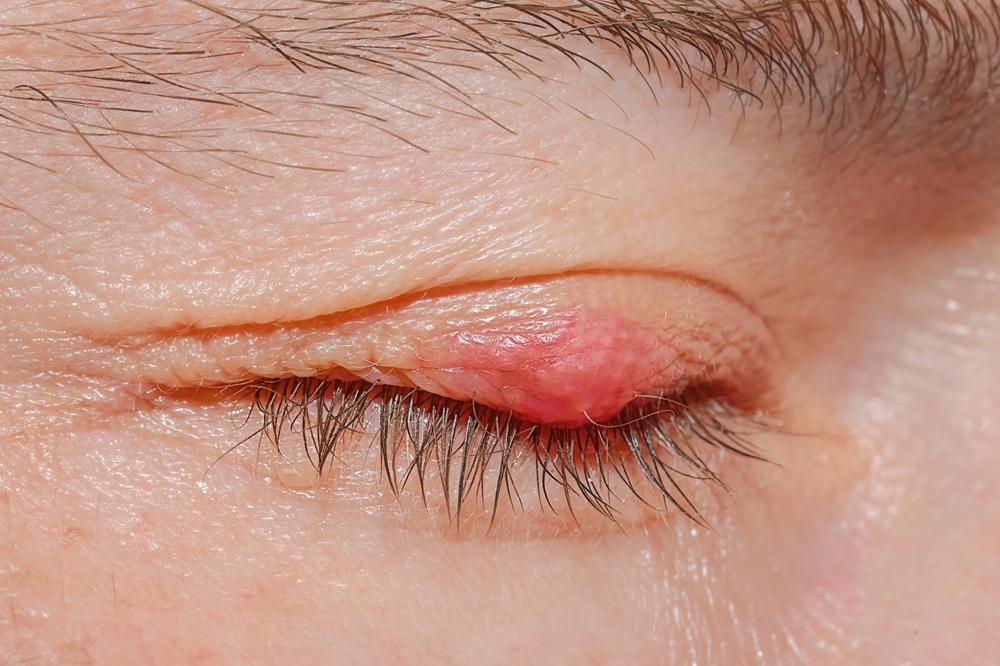
Dry, irritated eyes can make everyday activities uncomfortable, especially when symptoms persist despite using artificial tears. One common cause of chronic dry eye is meibomian gland dysfunction (MGD), which affects the oil-producing glands in your eyelids. At Vision Source Signature Eye Care, we offer advanced dry eye treatments, including LipiFlow thermal pulsation, to help patients across Long Island improve their natural tear quality and find lasting relief.
What Is Meibomian Gland Dysfunction (MGD)?
Meibomian glands are tiny oil-producing glands located along the edges of your eyelids. They release an oily substance called meibum, which forms the outer layer of your tear film and helps prevent tears from evaporating too quickly.
When these glands become blocked or stop functioning properly, your tears lose their protective oil layer. This can cause evaporative dry eye, a common form of dry eye disease.
MGD can produce several uncomfortable symptoms, including:
Burning, stinging, or irritated eyes
Blurry or fluctuating vision
Redness and sensitivity to light
Watery eyes caused by reflex tearing
Discomfort when wearing contact lenses
If these symptoms persist, a comprehensive dry eye evaluation can help determine whether blocked meibomian glands are contributing to the problem.
How Does Thermal Pulsation Treat MGD?
Thermal pulsation therapy addresses one of the underlying causes of evaporative dry eye by helping clear blockages within the meibomian glands.
At Vision Source Signature Eye Care, we offer LipiFlow, an advanced treatment that combines controlled heat with gentle pulsating pressure to release hardened oils trapped inside the glands.
The process works by warming the inner eyelids to soften thickened oil while applying gentle pressure to encourage the glands to release their contents. This helps restore natural oil flow, supporting a more stable tear film and reducing excessive tear evaporation.
Unlike artificial tears, which provide temporary lubrication, thermal pulsation targets the blocked glands responsible for many cases of evaporative dry eye.
What to Expect During LipiFlow Treatment
LipiFlow is a noninvasive, in-office procedure that typically takes approximately 12 minutes.
During treatment, specialized applicators deliver controlled warmth and gentle pressure to the eyelids. Most patients experience minimal discomfort and can return to normal activities shortly afterward.
Improvements may develop gradually over several weeks as the glands begin functioning more effectively. Results vary depending on the severity of MGD, existing gland damage, and other factors affecting tear production.
Some patients may benefit from additional treatments or ongoing eyelid care to maintain their results.
Is Thermal Pulsation Right for Your Dry Eyes?
Not every case of dry eye is caused by meibomian gland dysfunction. Other factors, including inflammation, reduced tear production, and environmental conditions, can contribute to persistent symptoms.
At our Long Island eye care locations, we evaluate the health of your tear film and meibomian glands to identify potential causes of your discomfort.
Our dry eye assessments may include meibomian gland imaging and tear film testing. Based on our findings, we can determine whether LipiFlow or another personalized treatment approach is appropriate for your needs.
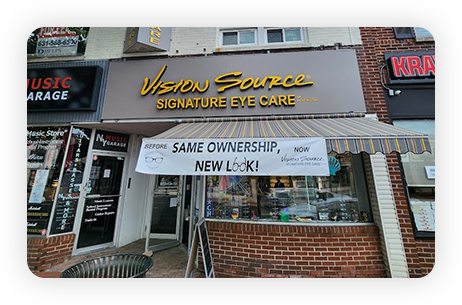
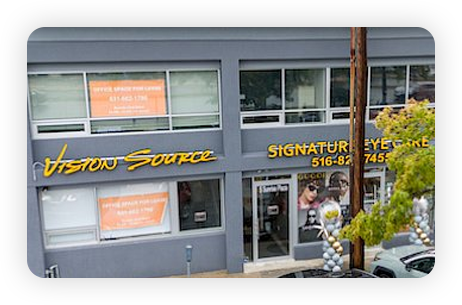
If persistent dryness, irritation, or blurry vision is affecting your daily comfort, schedule a dry eye consultation with Vision Source Signature Eye Care. We proudly serve patients throughout Long Island at our Babylon, Huntington, and Valley Stream, NY locations. Contact our Babylon office at (631) 789-6103, Huntington at (631) 421-0250, or Valley Stream at (516) 825-7455 to schedule an appointment.
Quick Links
All Eye
Care Services
Keep
In Touch
Contact Us
Find a Locations
Near You


Babylon
Monday Closed
Tuesday 9:30am - 5:30pm
Wednesday 9:30am - 5:30pm
Thursday 9:30am - 6:30pm
Friday 9:00am - 5:00pm
Saturday 8:00am - 2:00pm
Sunday Closed
Tuesday 9:30am - 5:30pm
Wednesday 9:30am - 5:30pm
Thursday 9:30am - 6:30pm
Friday 9:00am - 5:00pm
Saturday 8:00am - 2:00pm
Sunday Closed
Huntington
Monday 9:00am - 6:00pm
Tuesday 8:00am - 4:00pm
Wednesday 9:00am - 5:00pm
Thursday 9:00am - 5:00pm
Friday 8:00am - 2:00pm
Saturday 8:00am - 2:00pm
Sunday Closed
Tuesday 8:00am - 4:00pm
Wednesday 9:00am - 5:00pm
Thursday 9:00am - 5:00pm
Friday 8:00am - 2:00pm
Saturday 8:00am - 2:00pm
Sunday Closed
Valley Stream
Monday 11:00am - 7:00pm
Tuesday 9:00am - 5:30pm
Wednesday 9:00am - 5:30pm
Thursday 10:00am - 6:30pm
Friday 9:00am - 5:00pm
Saturday 8:00am - 2:00pm
Sunday Closed
Tuesday 9:00am - 5:30pm
Wednesday 9:00am - 5:30pm
Thursday 10:00am - 6:30pm
Friday 9:00am - 5:00pm
Saturday 8:00am - 2:00pm
Sunday Closed
© 2026 Vision Source Signature Eye Care. All Rights Reserved. Accessibility Statement - Privacy Policy
