
Men and Women Face Different Eye Issues
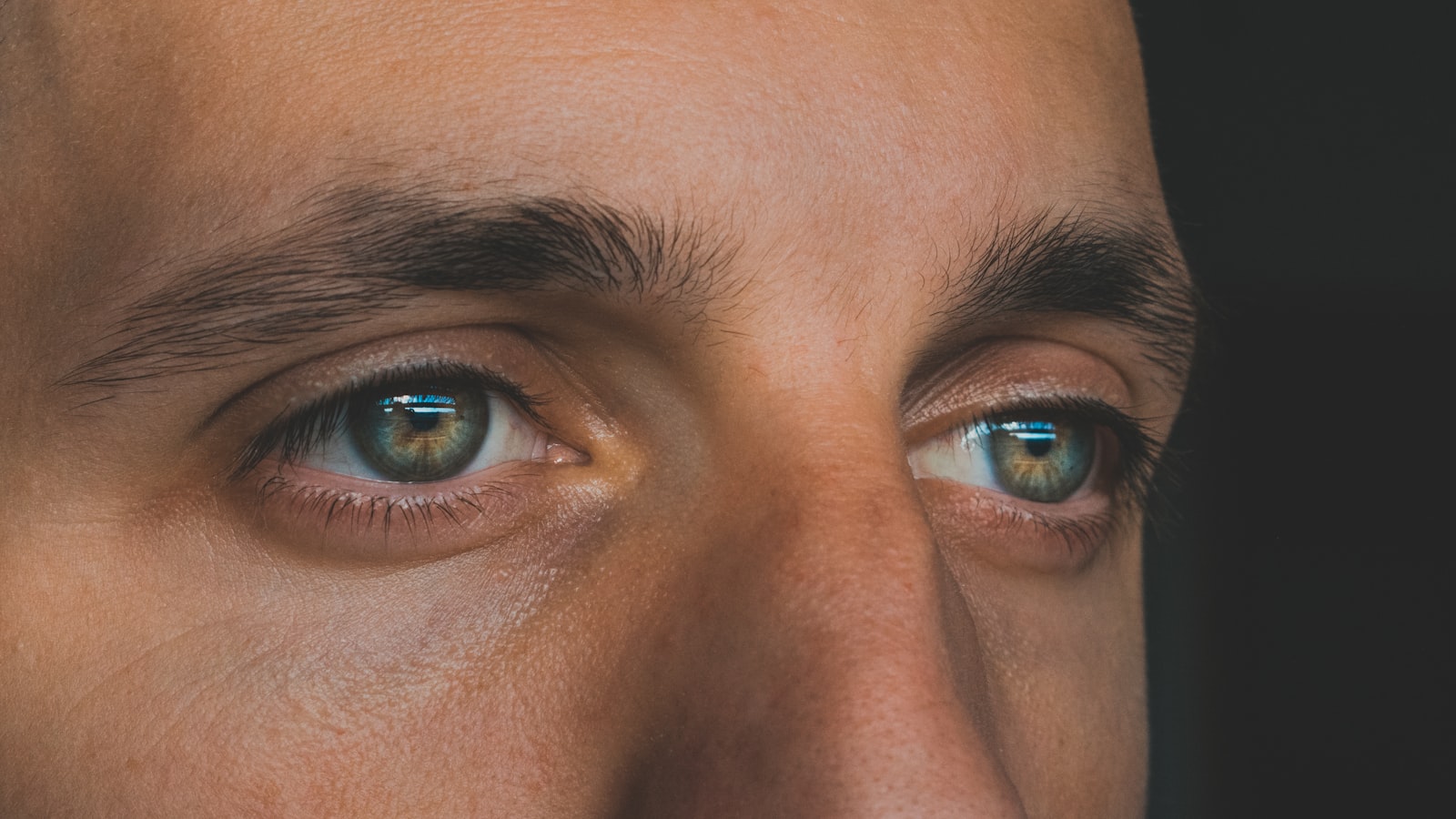
When it comes to eye health, men and women are not affected equally.
Biological differences, lifestyle factors, and even hormonal changes can influence the types of eye problems each gender is more likely to experience. Understanding these differences is key to helping everyone take the right steps to protect their vision and maintain healthy eyes for life.
Hormonal Differences and Eye Health
One of the biggest factors influencing eye health differences between men and women is hormones. Fluctuations in hormones like estrogen and progesterone, particularly during pregnancy, menopause, and even monthly cycles, can have a significant impact on a woman’s vision. For instance, dry eye syndrome is much more common among women, especially during and after menopause, when the body’s natural tear production tends to decrease.
Men, on the other hand, experience fewer hormone-driven changes in eye health. However, they are more prone to certain injuries and conditions related to lifestyle choices, such as eye trauma from sports or occupations that involve more physical labor.
Common Eye Issues in Women
Women are more likely to experience a range of eye conditions compared to men, including:
- Dry Eye Syndrome: As mentioned, hormonal changes can greatly affect tear production, making dry eyes more common among women.
- Autoimmune Diseases: Women are disproportionately affected by autoimmune diseases like lupus, rheumatoid arthritis, and Sjögren’s syndrome, all of which can have serious consequences for eye health.
- Age-Related Macular Degeneration (AMD): Women live longer on average than men, which means they are more likely to develop age-related conditions like macular degeneration.
- Cataracts and Glaucoma: Although these diseases affect both genders, studies show that women are at a slightly higher risk for developing cataracts and certain types of glaucoma.
- Vision Changes During Pregnancy: Expectant mothers might notice temporary changes in their vision due to hormonal shifts, fluid retention, or increased blood pressure, all of which can affect the shape and thickness of the cornea.
Common Eye Issues in Men
While men may avoid some hormone-related issues, they face their own set of risks:
- Eye Injuries: Men are statistically more likely to suffer eye injuries due to greater participation in contact sports, military service, and industrial occupations. Proper protective eyewear is essential for reducing these risks.
- Color Blindness: About 1 in 12 men experience some form of color blindness, compared to only about 1 in 200 women. This is due to genetic factors carried on the X chromosome.
- Diabetic Retinopathy: Men are more likely than women to develop type 2 diabetes at a lower body weight, which puts them at greater risk for diabetic retinopathy if the disease is not well-managed.
Protecting Your Eye Health
Regardless of gender, there are important steps everyone can take to maintain healthy vision:
- Wear Sunglasses: Protect your eyes from harmful UV rays year-round, not just in the summer.
- Schedule Regular Eye Exams: Early detection is key to managing many eye diseases effectively.
- Use Protective Eyewear: Always wear appropriate eye protection when engaging in sports, using power tools, or working in hazardous environments.
- Manage Chronic Health Conditions: Keep conditions like diabetes and high blood pressure under control, as they can greatly impact eye health.
- Stay Hydrated and Maintain a Balanced Diet: Foods rich in vitamins A, C, and E, as well as omega-3 fatty acids, are excellent for eye health.
Prioritize Vision Care at Every Stage of Life
Recognizing that men and women face different eye health challenges allows for a more personalized approach to vision care. Whether you’re managing dry eyes, protecting yourself from injury, or monitoring for age-related conditions, regular checkups with your optometrist can help catch issues early and keep your eyes healthy for years to come.
Schedule your next eye exam with us today!
The content on this blog is not intended to be a substitute for professional medical advice, diagnosis, or treatment. Always seek the advice of qualified health providers with questions you may have regarding medical conditions.
Quick Links
All Eye
Care Services
Keep
In Touch
Contact Us
Find a Locations
Near You


Babylon
Monday Closed
Tuesday 9:30am - 5:30pm
Wednesday 9:30am - 5:30pm
Thursday 9:30am - 6:30pm
Friday 9:00am - 5:00pm
Saturday 8:00am - 2:00pm
Sunday Closed
Tuesday 9:30am - 5:30pm
Wednesday 9:30am - 5:30pm
Thursday 9:30am - 6:30pm
Friday 9:00am - 5:00pm
Saturday 8:00am - 2:00pm
Sunday Closed
Huntington
Monday 9:00am - 6:00pm
Tuesday 8:00am - 4:00pm
Wednesday 9:00am - 5:00pm
Thursday 9:00am - 5:00pm
Friday 8:00am - 2:00pm
Saturday 8:00am - 2:00pm
Sunday Closed
Tuesday 8:00am - 4:00pm
Wednesday 9:00am - 5:00pm
Thursday 9:00am - 5:00pm
Friday 8:00am - 2:00pm
Saturday 8:00am - 2:00pm
Sunday Closed
Valley Stream

Monday 11:00am - 7:00pm
Tuesday 9:00am - 5:30pm
Wednesday 9:00am - 5:30pm
Thursday 10:00am - 6:30pm
Friday 9:00am - 5:00pm
Saturday 8:00am - 2:00pm
Sunday Closed
Tuesday 9:00am - 5:30pm
Wednesday 9:00am - 5:30pm
Thursday 10:00am - 6:30pm
Friday 9:00am - 5:00pm
Saturday 8:00am - 2:00pm
Sunday Closed
© 2026 Vision Source Signature Eye Care. All Rights Reserved. Accessibility Statement - Privacy Policy
