
The Best Eyesight In The Animal Kingdom
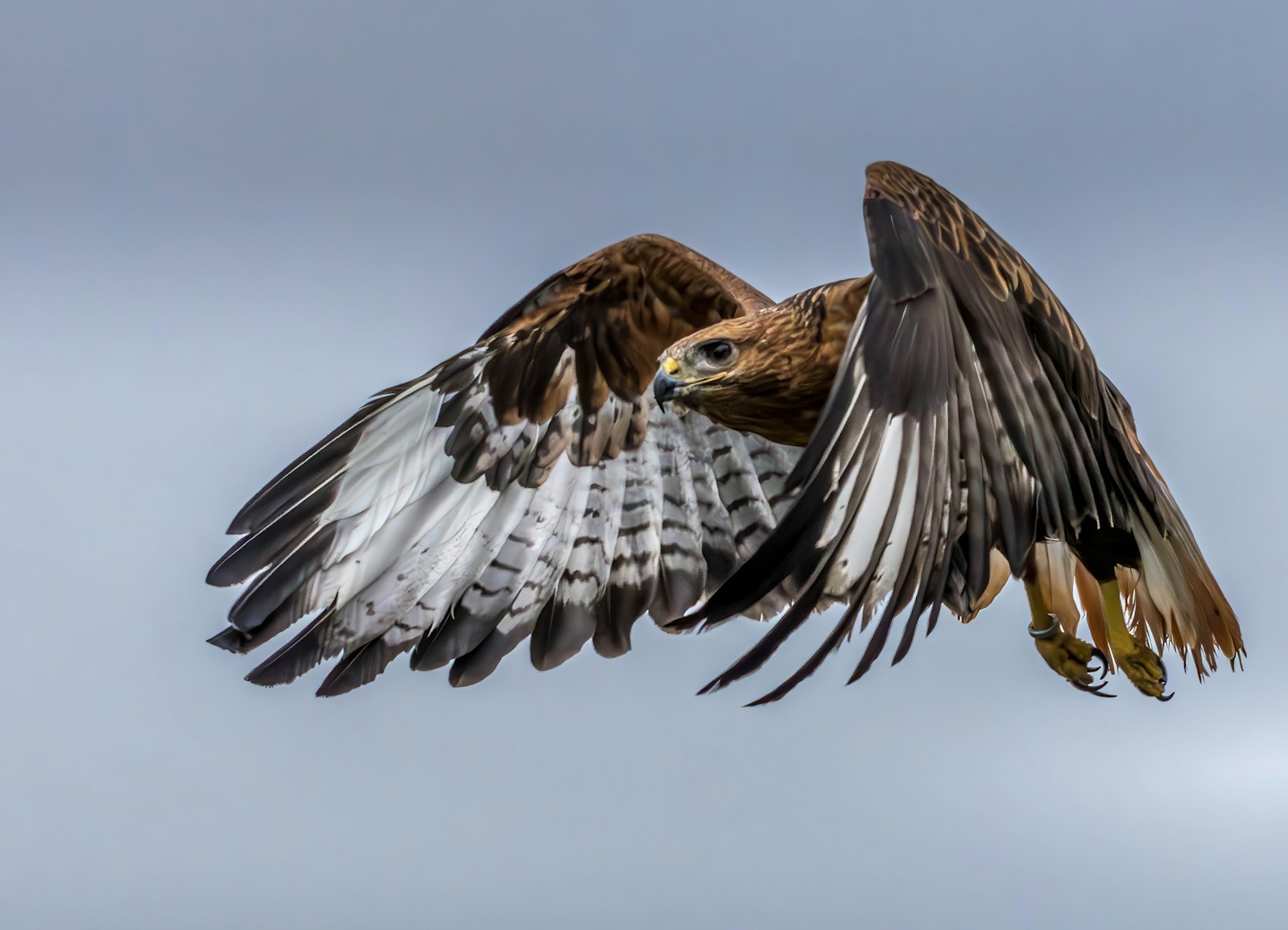
Human eyes are complex and powerful organs, but there are a few animals who have us beat when it comes to eyesight.
Let’s take a look at some of the best peepers in the animal kingdom and find out what makes them so different from ours!
Difference Between Human And Animal Vision
All eyes work by the same principle of focusing light onto the retina and translating the resultant image into neurological signals in the brain, but depending on what an animal has to do to survive, there will be different adaptations. The adaptations that are important for humans include detailed color vision, the ability to detect motion, and depth perception.
One of the easiest differences to spot between all the kinds of animal eyes is predator versus prey animals. We have our eyes on the front of our faces, like predator animals, while prey animals tend to have their eyes on the sides of their heads so predators can’t sneak up on them.
But the differences go much farther than that. Eagles, for instance, have a much deeper fovea than humans, which essentially gives them built-in telephoto lenses! They can see detail at much greater distances than we can as a result. They also have a wider field of vision and color vision that enables them to see in the UV spectrum!
Which Eyes Are The Best?
Even eagles don’t have the best eyesight out there, though. They might be kings of the daytime skies, but their eyes can’t do everything. Here are some other incredible eyes in the wild:
- The critter with the world’s best color vision (as far as we know) is the bluebottle butterfly. Where we have three different types of cones to detect color, they have a whopping fifteen, some of which see in the UV spectrum.
- When it comes to night vision, owls are at the top. Their eyes are shaped more like tubes than spheres, and they don’t move in their sockets, so they swivel their heads instead. Their eyes are very large and their retinas have five times the rod density that ours do in order to see in the dark. They also have a layer behind the retina called the tapetum lucidum, which reflects the light back to the retinas one more time, sharpening the night vision even more.
- Land animals, no matter how well they can see, lose that advantage underwater. But sharks’ eyes are well adapted to seeing in their ocean habitat. Many shark species have a protective layer over their eyes, and they have the tapetum lucidum like owls to see in dark or murky water.
- The animal with perhaps the most complicated eyes is the mantis shrimp, which has eye-stalks that move independently, each of which has three separate compound eyes (meaning there are numerous separate low-resolution “screens” instead of a single image) that do different things and send the information to different parts of the brain. They also have twelve types of photoreceptors.
Have You Noticed A Change In Your Vision?
While our eyes will never be able to see the way animals do, if you notice a change in your own vision, schedule an appointment so your local Vision Source® member optometrist can check it out! We want to make sure you always have the most current prescription, and we especially want to make sure no eye conditions are developing.
Vision Source® looks forward to seeing you soon!
Find a Vision Source® practice near you using our search tool.
Top image by Flickr user jon hanson used under Creative Commons Attribution-Sharealike 4.0 license. Image cropped and modified from original.
The content on this blog is not intended to be a substitute for professional medical advice, diagnosis, or treatment. Always seek the advice of qualified health providers with questions you may have regarding medical conditions.
Quick Links
All Eye
Care Services
Keep
In Touch
Contact Us
Find a Locations
Near You


Babylon

Monday Closed
Tuesday 9:30am - 5:30pm
Wednesday 9:30am - 5:30pm
Thursday 9:30am - 6:30pm
Friday 9:00am - 5:00pm
Saturday 8:00am - 2:00pm
Sunday Closed
Tuesday 9:30am - 5:30pm
Wednesday 9:30am - 5:30pm
Thursday 9:30am - 6:30pm
Friday 9:00am - 5:00pm
Saturday 8:00am - 2:00pm
Sunday Closed
Huntington
Monday 9:00am - 6:00pm
Tuesday 8:00am - 4:00pm
Wednesday 9:00am - 5:00pm
Thursday 9:00am - 5:00pm
Friday 8:00am - 2:00pm
Saturday 8:00am - 2:00pm
Sunday Closed
Tuesday 8:00am - 4:00pm
Wednesday 9:00am - 5:00pm
Thursday 9:00am - 5:00pm
Friday 8:00am - 2:00pm
Saturday 8:00am - 2:00pm
Sunday Closed
Valley Stream
Monday 11:00am - 7:00pm
Tuesday 9:00am - 5:30pm
Wednesday 9:00am - 5:30pm
Thursday 10:00am - 6:30pm
Friday 9:00am - 5:00pm
Saturday 8:00am - 2:00pm
Sunday Closed
Tuesday 9:00am - 5:30pm
Wednesday 9:00am - 5:30pm
Thursday 10:00am - 6:30pm
Friday 9:00am - 5:00pm
Saturday 8:00am - 2:00pm
Sunday Closed
© 2026 Vision Source Signature Eye Care. All Rights Reserved. Accessibility Statement - Privacy Policy
