
Myopia Management

Slow the progression of your child’s nearsightedness.
Does your child have difficulty seeing distant objects?
Myopia (nearsightedness) typically starts to develop in childhood and often progresses until about age 20.
Slowing the progression is important because it may reduce the risk of developing serious eye conditions later in life such as cataracts, glaucoma, retinal detachment, and blindness.
Schedule an exam at Vision Source Signature Eye Care to learn more.
Myopia is on the rise
Nearsightedness is a growing concern in the US and other countries. It is estimated that by the year 2050, roughly half of the world’s population will be affected by this eye condition. Many researchers believe the rise can be attributed to more time spent staring at screens and less time outdoors.
How do you "control" myopia?
Determining a myopia control plan for your child starts with a visit to your eye doctor. Schedule your appointment now. Vision Source Signature Eye Care uses the following in controlling myopia in pediatric patients:
Quick Links
All Eye
Care Services
Keep
In Touch
Contact Us
Find a Locations
Near You


Babylon
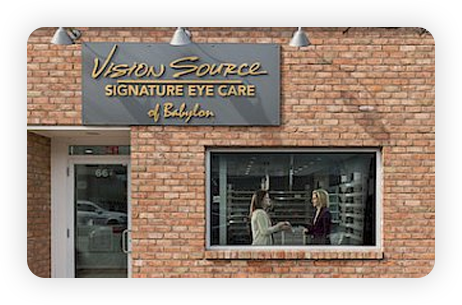
Monday Closed
Tuesday 9:30am - 5:30pm
Wednesday 9:30am - 5:30pm
Thursday 9:30am - 6:30pm
Friday 9:00am - 5:00pm
Saturday 8:00am - 2:00pm
Sunday Closed
Tuesday 9:30am - 5:30pm
Wednesday 9:30am - 5:30pm
Thursday 9:30am - 6:30pm
Friday 9:00am - 5:00pm
Saturday 8:00am - 2:00pm
Sunday Closed
Huntington
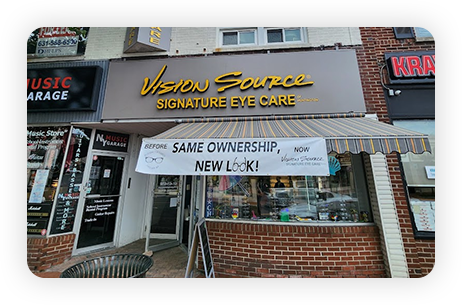
Monday 9:00am - 6:00pm
Tuesday 8:00am - 4:00pm
Wednesday 9:00am - 5:00pm
Thursday 9:00am - 5:00pm
Friday 8:00am - 2:00pm
Saturday 8:00am - 2:00pm
Sunday Closed
Tuesday 8:00am - 4:00pm
Wednesday 9:00am - 5:00pm
Thursday 9:00am - 5:00pm
Friday 8:00am - 2:00pm
Saturday 8:00am - 2:00pm
Sunday Closed
Valley Stream
Monday 11:00am - 7:00pm
Tuesday 9:00am - 5:30pm
Wednesday 9:00am - 5:30pm
Thursday 10:00am - 6:30pm
Friday 9:00am - 5:00pm
Saturday 8:00am - 2:00pm
Sunday Closed
Tuesday 9:00am - 5:30pm
Wednesday 9:00am - 5:30pm
Thursday 10:00am - 6:30pm
Friday 9:00am - 5:00pm
Saturday 8:00am - 2:00pm
Sunday Closed
© 2026 Vision Source Signature Eye Care. All Rights Reserved. Accessibility Statement - Privacy Policy
