
Blog list
Vision Source Signature Eye Care Blog
Learn more about optometrist care in our blog!
When was the last time you rubbed your eyes? Most of us do it often enough that we might not even notice it every time it happens. Whether we’re tired, our eyes are dry or itchy, or we get something stuck in one of them, rubbing them is a quick and easy way to make them feel better — except i...
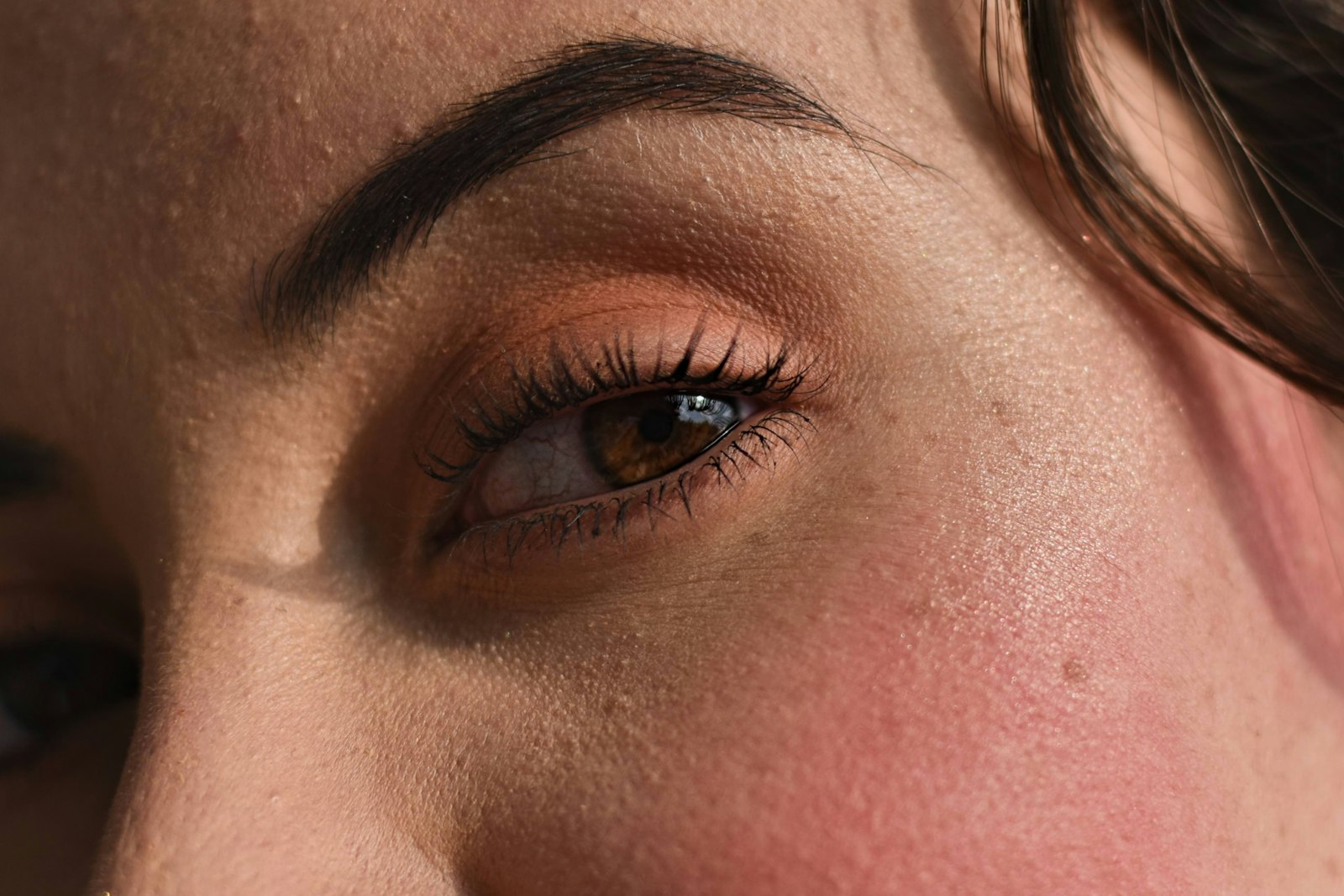
Nothing can ruin the beauty of spring quite so quickly as an allergy attack. What is it about the springtime that makes eyes turn red, itchy, and puffy? Is it only allergies? How can we tell when it’s something else? And, of course, what can we do to defeat seasonal allergies so that we can enj...
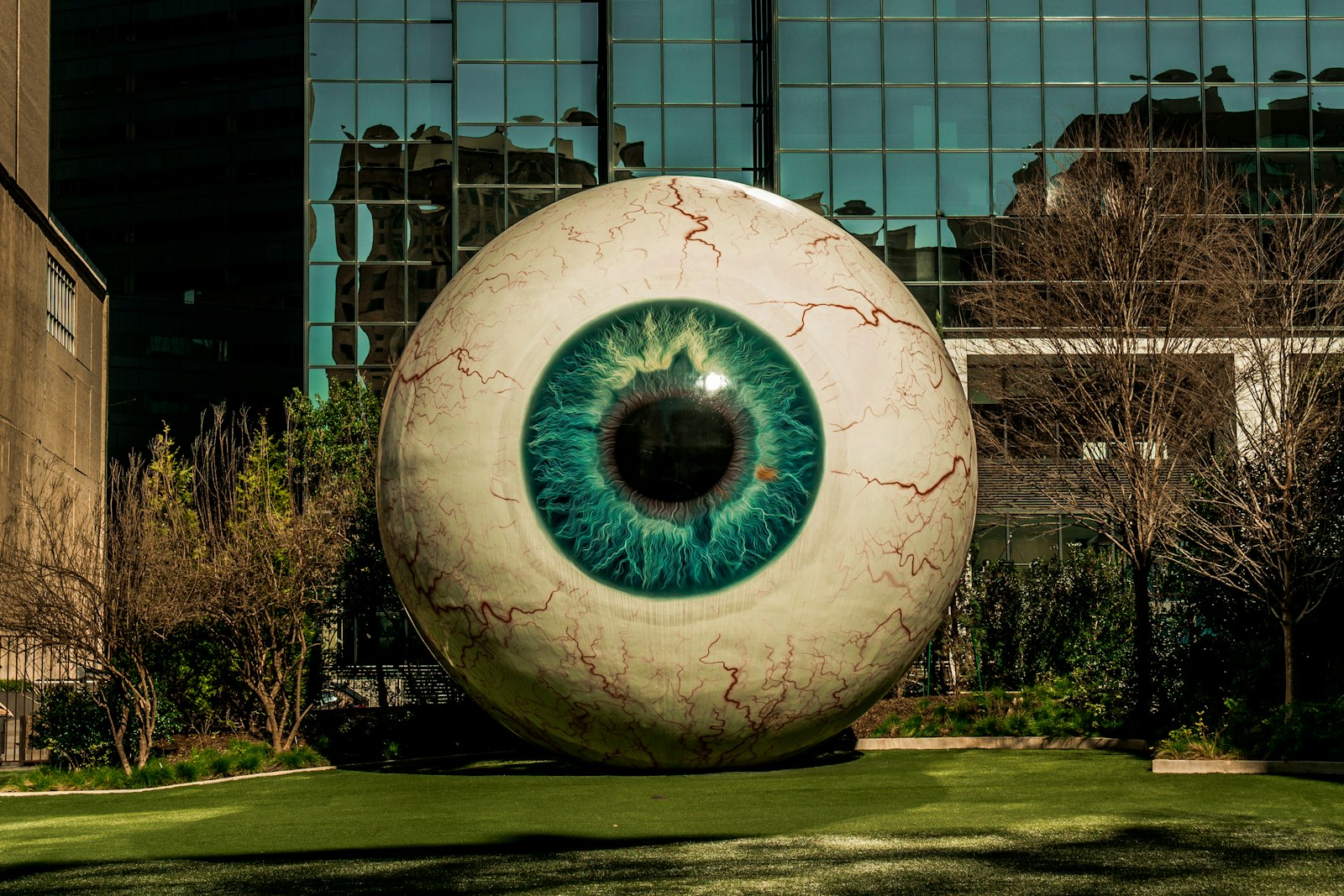
Blinking does a lot for the health and function of our eyes. Have you ever counted the number of times you blink in one minute? On average, adults blink between ten and twenty times per minute, and each blink lasts just a tenth of a second. We Blink to Keep Our Eyes Clean and Fresh With every bli...

Frequent headaches could be a symptom of an uncorrected vision problem. That’s right, if you experience a lot of headaches, it would be worth your time to schedule an eye exam. Not every headache is tied to a vision problem, and not all untreated vision problems result in headaches, but the con...

You might have heard that indoor tanning is a safe alternative to sunbathing, but that is false. A group of eye doctors, surgeons, dermatologists, and other physicians actually spoke to Congress in a briefing about the negative health effects of indoor tanning. The World Health Organization warns...
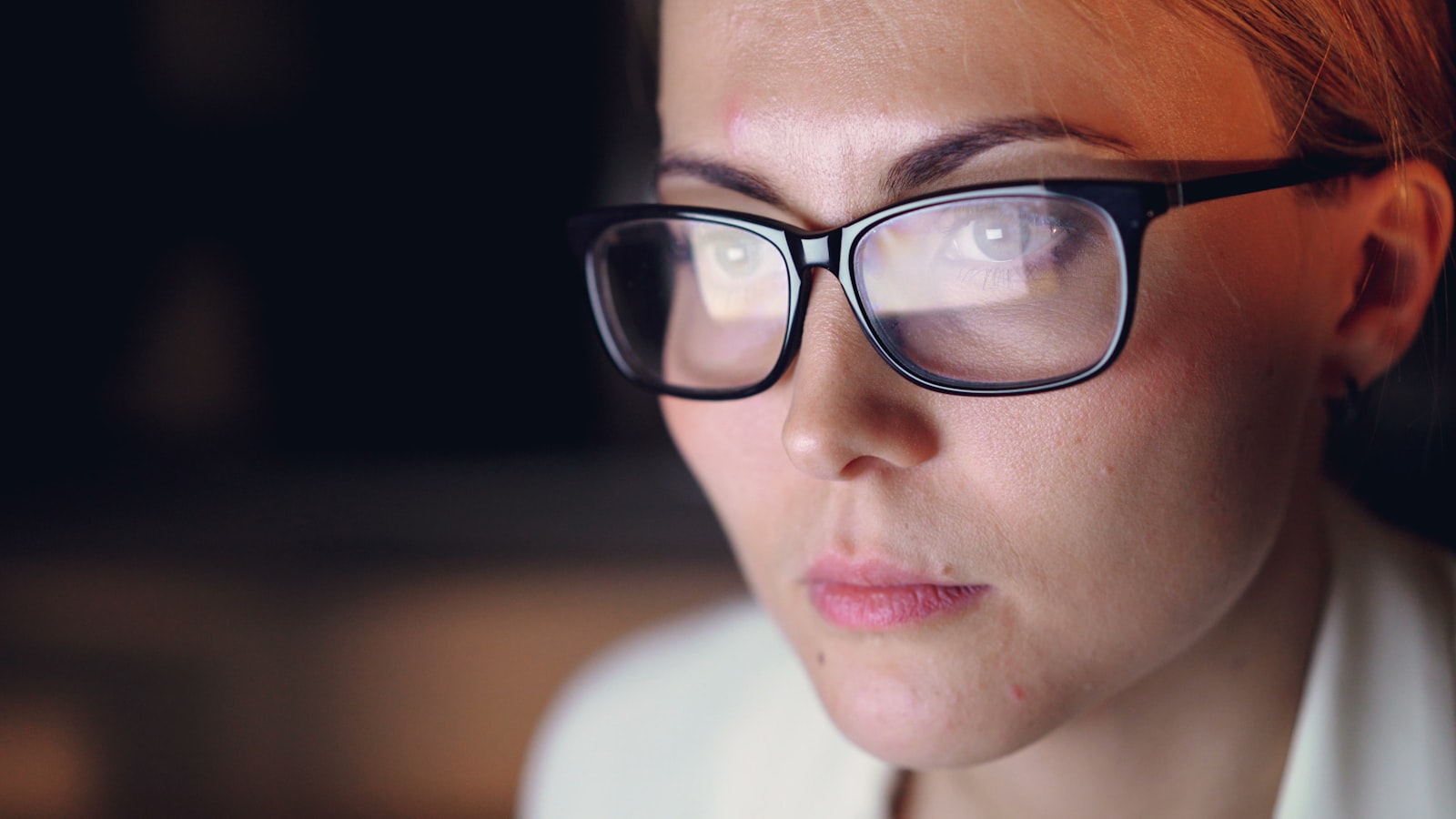
March is Workplace Eye Wellness month, so let’s celebrate by taking stock of a few ways to protect our eyes at work! This is going to mean very different things depending on what kind of job you have, whether you work from home or in an office, or you work at a worksite. That’s why we’re di...
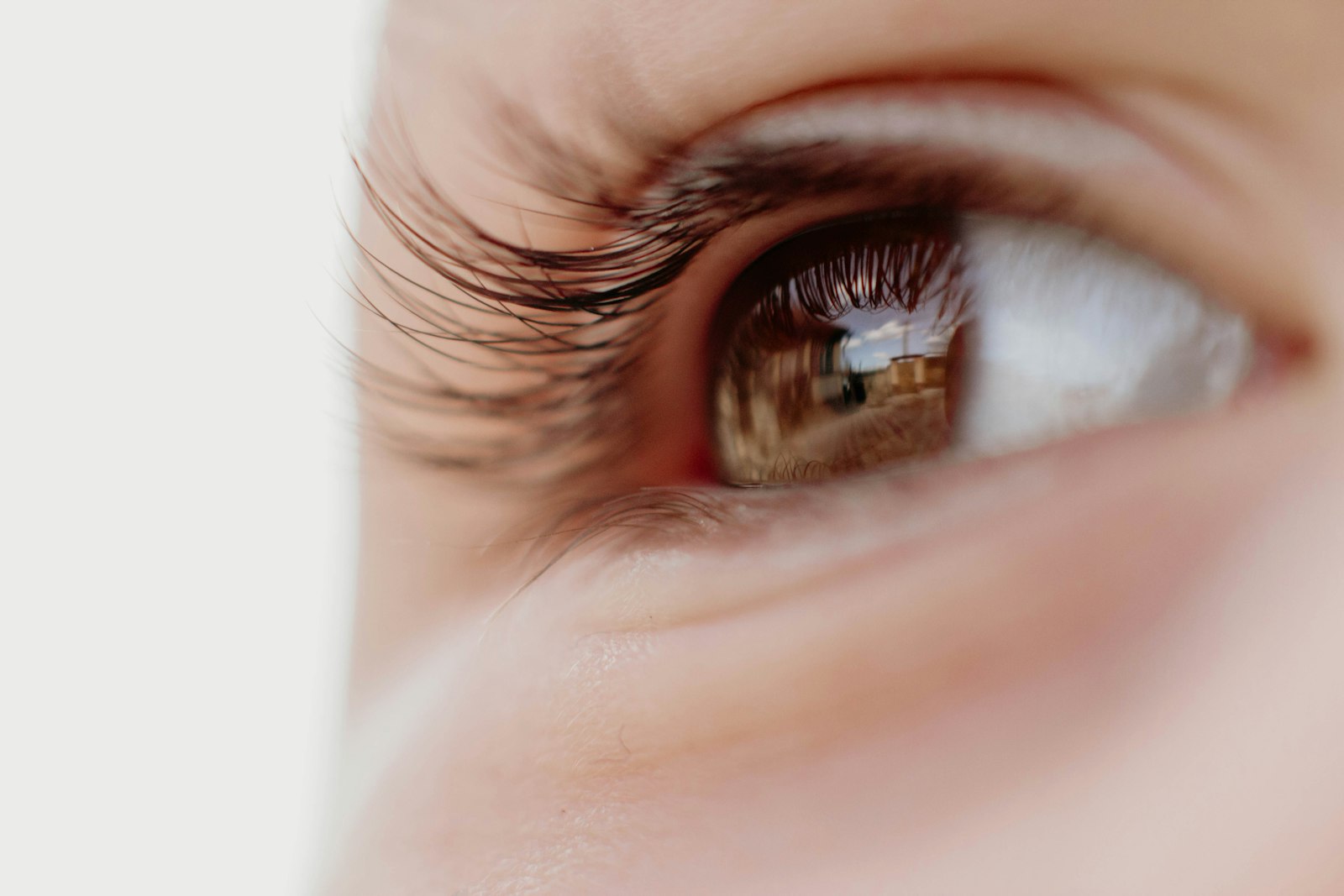
Regular eye exams (from an optometrist, not an app) are critical for lifelong healthy vision. We’re celebrating Save Your Vision Month by devoting an entire blog post to the top reasons to put an eye exam on the calendar. How often they should happen will depend on your individual situation, bu...

Corrective lenses are such small things that make such enormous differences in our lives. Most people who wear glasses or contacts can remember what it was like the first time they were able to see individual blades of grass and leaves on trees after putting them on. It’s important to take good...

Being colorblind can mean a lot of different things, yet only in rare cases does it mean seeing in black and white. The technical term for complete color blindness is monochromacy, and it only affects one person in 33,000. Most people with a form of color blindness can see certain colors, but whi...
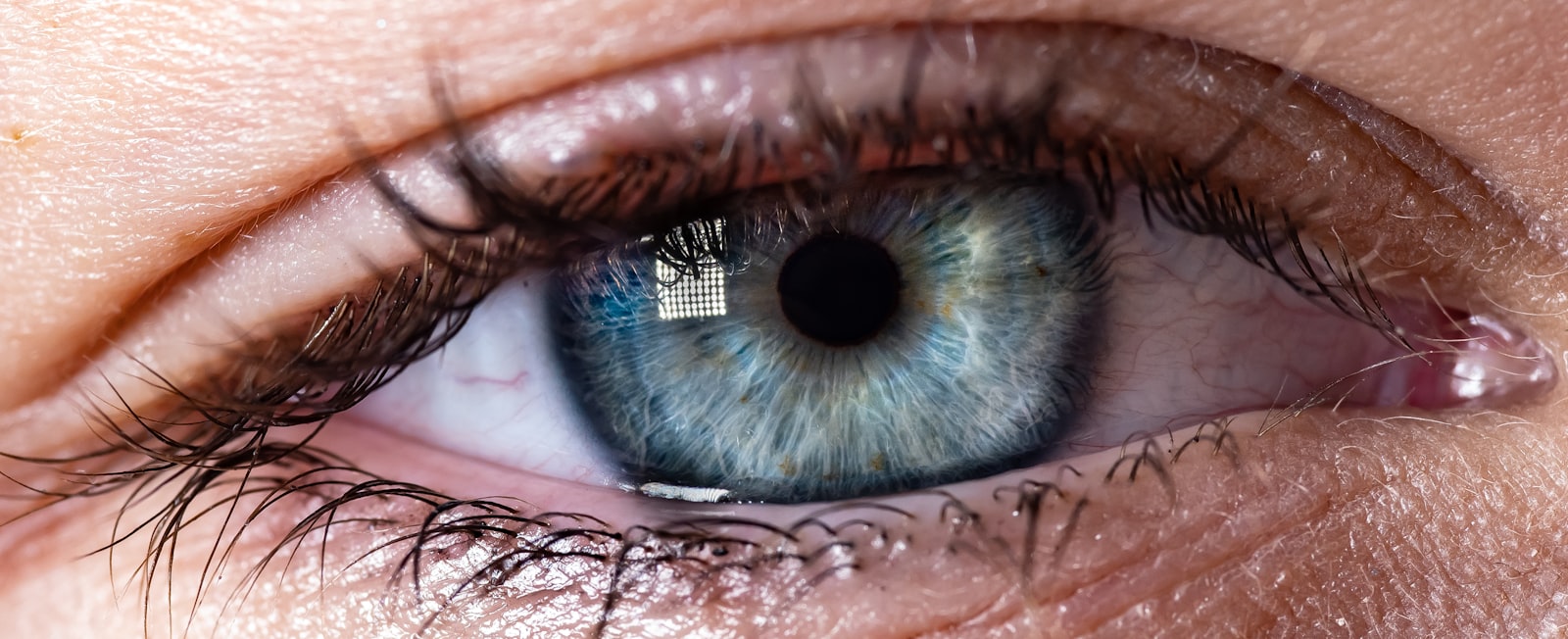
What’s the first thing you notice about a person when you meet them? Statistically, there’s a good chance it’s their eye color! A striking pair of eyes can really make an impression — and that goes double when they’re two different colors. The scientific term for having different colore...
Quick Links

All Eye
Care Services
Keep
In Touch
Contact Us
Find a Locations
Near You


Babylon
Monday Closed
Tuesday 9:30am - 5:30pm
Wednesday 9:30am - 5:30pm
Thursday 9:30am - 6:30pm
Friday 9:00am - 5:00pm
Saturday 8:00am - 2:00pm
Sunday Closed
Tuesday 9:30am - 5:30pm
Wednesday 9:30am - 5:30pm
Thursday 9:30am - 6:30pm
Friday 9:00am - 5:00pm
Saturday 8:00am - 2:00pm
Sunday Closed
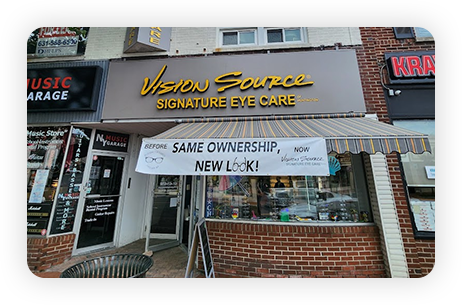
Huntington
Monday 9:00am - 6:00pm
Tuesday 8:00am - 4:00pm
Wednesday 9:00am - 5:00pm
Thursday 9:00am - 5:00pm
Friday 8:00am - 2:00pm
Saturday 8:00am - 2:00pm
Sunday Closed
Tuesday 8:00am - 4:00pm
Wednesday 9:00am - 5:00pm
Thursday 9:00am - 5:00pm
Friday 8:00am - 2:00pm
Saturday 8:00am - 2:00pm
Sunday Closed
Valley Stream

Monday 11:00am - 7:00pm
Tuesday 9:00am - 5:30pm
Wednesday 9:00am - 5:30pm
Thursday 10:00am - 6:30pm
Friday 9:00am - 5:00pm
Saturday 8:00am - 2:00pm
Sunday Closed
Tuesday 9:00am - 5:30pm
Wednesday 9:00am - 5:30pm
Thursday 10:00am - 6:30pm
Friday 9:00am - 5:00pm
Saturday 8:00am - 2:00pm
Sunday Closed
© 2026 Vision Source Signature Eye Care. All Rights Reserved. Accessibility Statement - Privacy Policy
